Midland, Texas does not look like a private aviation hub from the outside. There are no beach clubs, no ski resorts, no celebrity sightings at the FBO. What there is, is roughly $17 billion in upstream capital being deployed across the Permian Basin in 2026 alone, with Chevron, ConocoPhillips, ExxonMobil, Diamondback Energy, Permian Resources, and dozens of mid-cap operators running continuous drilling and acquisition programs across 75,000 square miles of West Texas.
Where serious capital concentrates, serious executive travel follows. Midland has quietly become one of the highest-frequency private jet markets in the country, not because of the lifestyle, but because of the math. Commercial connections are limited, the people flying here are making multimillion-dollar decisions, and their time is worth too much to route through Dallas or Houston every single trip.
This is the complete guide to chartering a private jet to Midland, Texas in 2026.
Need a charter to Midland or anywhere in the Permian Basin corridor? Request a quote or get an instant estimate. Our team is available around the clock.
Why Energy Executives Fly Private to Midland
The commercial situation in Midland is the starting point. Midland International Air and Space Port (MAF) receives direct commercial service from Dallas, Houston, Denver, Phoenix, and Las Vegas. That sounds adequate until you look at the actual schedule: a handful of flights per day per route, no flexibility on departure windows, and zero direct access from financial centers like New York, Chicago, or Miami.
For an executive flying from Manhattan to review a drilling program in the Delaware Basin, the commercial option looks like this: LaGuardia to Dallas/Fort Worth, a two-hour connection minimum, then a commuter flight to Midland, followed by a 20-minute drive to the office. Door to destination: six to eight hours, minimum.
The private option: Teterboro to Midland, nonstop on a midsize or super midsize jet. Door to destination: four hours and fifteen minutes.
That time difference is measured in deals, not inconvenience. Energy M&A moves fast. Rig site visits are time-sensitive. Board members flying in from Houston for a morning meeting are not going to route through a hub on a tight schedule when a 90-minute charter exists.
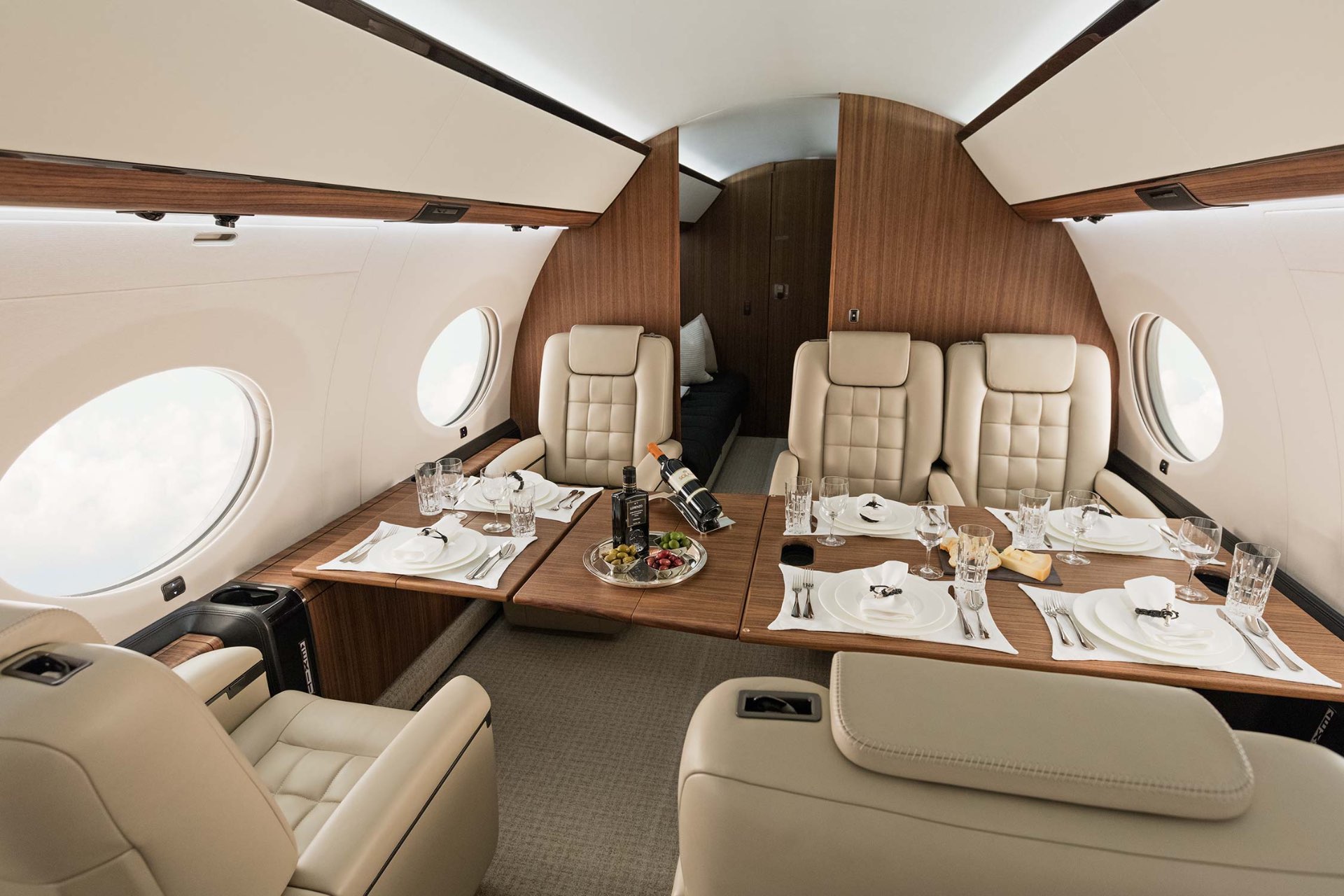
Private aviation also matters here for a reason that rarely gets discussed: the conversations that happen on the aircraft. In the Permian Basin, where acquisition targets, joint venture structures, and partnership terms get worked out before anyone signs anything, the ability to hold a frank, confidential discussion in a private cabin rather than a commercial first-class row is not a luxury. It is a competitive advantage.
Airports Serving Midland: Which One to Use
There are three primary options for private aviation serving the Midland area, each suited to different aircraft and missions.
Midland International Air and Space Port (MAF / KMAF)
The primary airport for the region, located about 10 miles southwest of downtown Midland. MAF has four asphalt runways capable of handling any aircraft from turboprops through heavy jets. The Signature Aviation FBO at MAF provides full handling, fueling, crew facilities, and passenger amenities. This is the correct choice for midsize jets and above, multi-passenger group charters, and any trip where the destination is downtown Midland or the major operator offices nearby.
MAF is also, somewhat unusually, a licensed spaceport, which is a byproduct of the region's aerospace history. That designation has no practical effect on charter operations, but it does mean the facility handles a broader range of aircraft operations than a typical regional airport.
Midland Airpark (MDD / KMDD)
Located about three miles north of downtown, the Airpark is the better choice for turboprops, very light jets, and light jets when the destination is central Midland rather than the outlying oilfield service facilities. It is closer to the city center than MAF and significantly less congested during peak industry event periods. For a quick two-person site visit with a fast turnaround, MDD often makes more operational sense than MAF.
Odessa Schlemeyer Field (ODO / KODO)
Located about 25 miles from Midland in Odessa, Schlemeyer is the right option when the actual destination is the Odessa side of the Midland-Odessa metro, which includes significant oilfield services and manufacturing operations. It handles smaller aircraft efficiently and is often less congested than MAF on busy industry days.
Aircraft Selection for Midland Charter Flights
The right aircraft depends on where you are flying from, how many people are traveling, and whether the trip is a same-day turn or involves an overnight stay.
From Houston (HOU/HOU) or Dallas (DAL/DFW): Light Jet
The Houston to Midland sector is just over 400 nautical miles. A light jet like the Citation CJ3+ or Phenom 300 covers it in about 90 minutes, costs $8,000 to $14,000 one-way, and positions the crew well for a same-day return. For two to five passengers making a day trip to the Basin, this is the standard formula.
From New York or Chicago: Super Midsize Jet
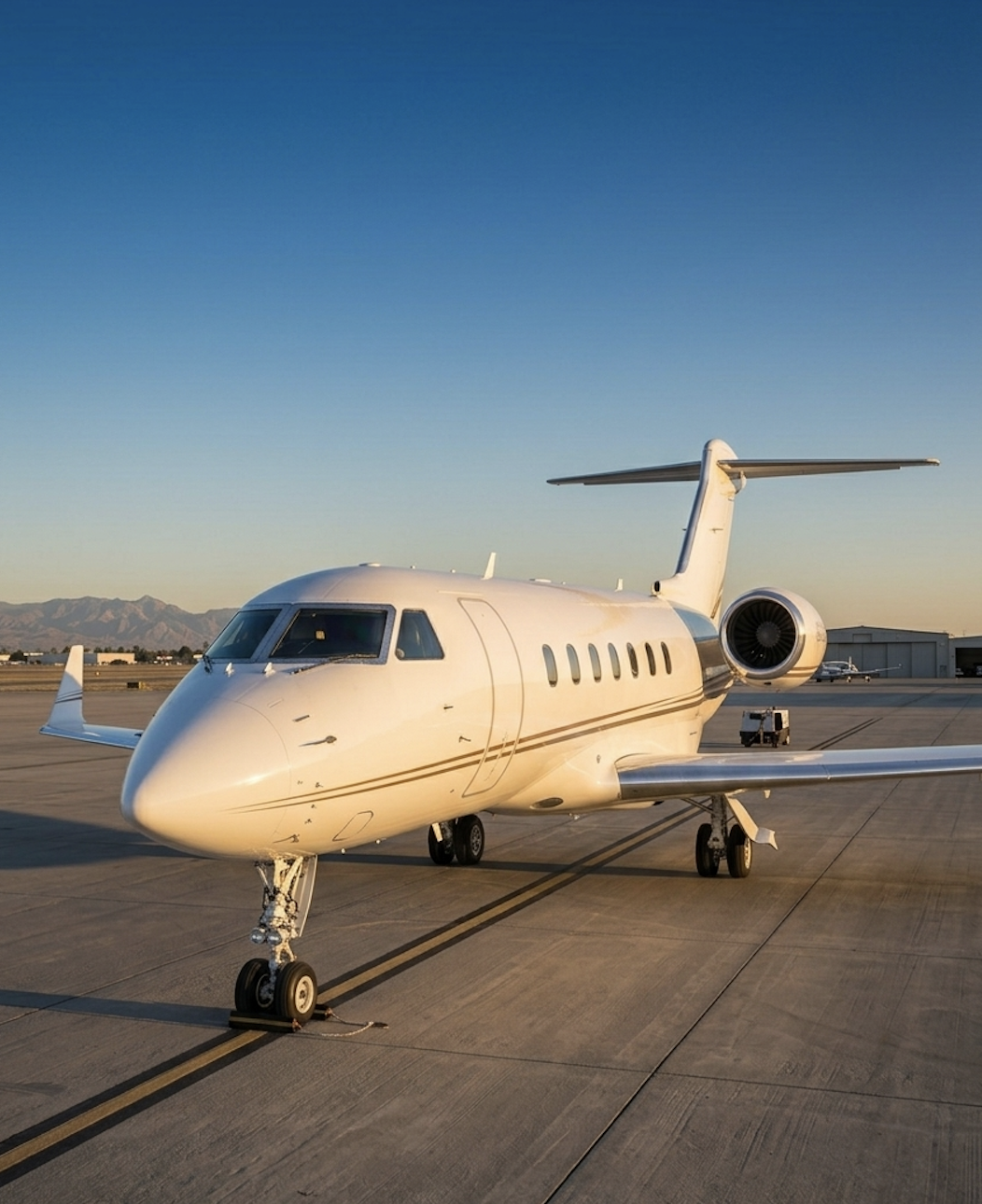
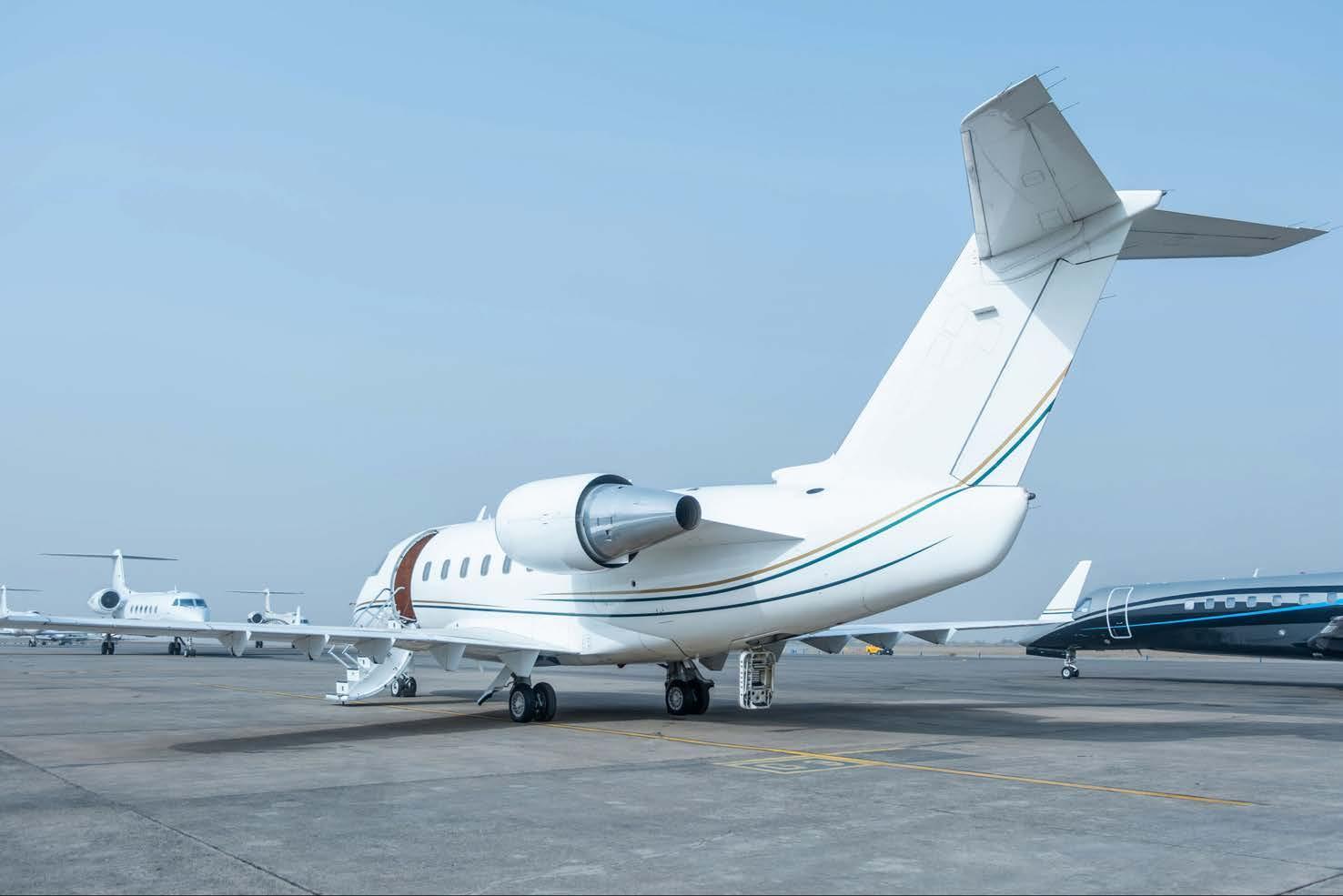
The New York (Teterboro) to Midland run is approximately 1,600 nautical miles, around 3.5 to 4 hours at cruise on a Challenger 350 or Citation Longitude. Both aircraft provide a proper stand-up cabin, full baggage capacity for technical gear and sample cases, and enough range to make the segment comfortably without a fuel stop. Cost: $28,000 to $42,000 one-way.
From Miami: Midsize to Super Midsize
Miami to Midland is roughly 1,200 nautical miles. A Hawker 900XP or Citation XLS+ handles this in just under three hours. For energy investors, private equity professionals, and financial advisors who work the Permian Basin from South Florida, this is a heavily-trafficked routing with good empty leg availability given the volume of repositioning traffic through Texas.
Multi-Leg Basin Surveys: Turboprop
For teams doing site visits across multiple Permian Basin locations in a single day, a King Air 350 or Pilatus PC-12 is the practical choice. Both aircraft access smaller airstrips near active drilling locations that jet-class aircraft cannot reach. The ability to land on a 3,500-foot strip near a well site, rather than driving two hours from MAF, changes the operational calculus significantly.
What a Midland Charter Costs in 2026
Pricing varies by origin, aircraft, and whether the aircraft is already positioned in the region. The Permian Basin generates consistent outbound charter traffic, which creates better-than-average empty leg availability for inbound travelers.
| Route | Aircraft | Estimated One-Way Cost |
|---|---|---|
| Houston to Midland | Light Jet | $8,000-$14,000 |
| Dallas to Midland | Light Jet | $7,500-$12,000 |
| Denver to Midland | Midsize Jet | $16,000-$24,000 |
| Miami to Midland | Super Midsize | $24,000-$36,000 |
| New York to Midland | Super Midsize | $30,000-$45,000 |
| Los Angeles to Midland | Super Midsize | $28,000-$40,000 |
| Chicago to Midland | Midsize Jet | $20,000-$30,000 |
Same-day round trips are common on the Houston and Dallas routes, where the aircraft waits at MAF or MDD and returns the same afternoon. For longer-haul origins, an overnight stay with crew accommodation costs typically adds $400 to $800 to the invoice depending on the crew size and hotel market in Midland.
Use our price estimator for a specific number on your route, or browse the fleet to identify the right aircraft category for your group size and mission profile.
When to Book: The Permian Basin Calendar
Midland is a year-round business travel market without the seasonal demand compression that affects leisure destinations. But there are periods when aircraft availability tightens significantly and advance booking matters.
SPE Permian Basin Energy Conference (September 2026)
The Society of Petroleum Engineers Permian Basin Energy Conference runs September 22 to 24, 2026 at the Bush Convention Center in Midland. This is the largest technical event in the Basin, drawing thousands of engineers, executives, and investors from across the global energy industry. Private jet demand around this event is substantial. Aircraft in the light-to-midsize category in the Texas corridor book out two to three weeks in advance for the conference window.
Permian Basin International Oil Show (October, biennial)
The PBIOS, which draws upward of 20,000 attendees in active years, creates the highest single-event private aviation demand in Midland. The 2025 show drew major operators and service company executives from across the country. Book four to six weeks in advance for this event.
Q1 and Q4 Board and Earnings Seasons
Energy company boards convene in Midland more frequently in Q1 and Q4 around annual planning cycles, capital budget approvals, and year-end operational reviews. These periods see elevated charter traffic from Houston, Dallas, and New York that tightens light and midsize jet availability in the Texas corridor.
Standard Business Travel
Outside of these windows, Midland is an accessible market with consistent availability. 48 to 72 hours notice is sufficient for most origins on the light-to-midsize category. For super midsize and heavy jets on longer corridors, one week out is a comfortable booking window.
The Case for Empty Legs on Permian Basin Routes
The volume of one-way charter traffic into and out of Midland creates one of the better domestic empty leg environments in the country. Energy executives frequently fly one direction on a charter and return commercially, leaving aircraft to reposition empty. Investor groups fly in for site visits and return to Houston or Dallas the same day, creating outbound repositioning legs that operators sell at significant discounts.
If your Midland travel has any flexibility in timing, asking your broker to search for matching empty legs before confirming a standard charter is worth doing on every booking. Savings of 40 to 65% against standard charter rates are not unusual on the Houston-Midland and Dallas-Midland corridors specifically.
Read more about how empty leg flights work and whether your itinerary qualifies.
What to Know About Midland on the Ground
Private aviation is efficient getting you to Midland. A few ground realities are worth knowing before you arrive.
Hotel availability during major events is genuinely constrained. During the PBIOS and SPE conference, hotels in Midland book out weeks in advance. The Grand Texan Hotel and Hilton Garden Inn are the primary properties for business travelers. Book accommodation at the same time you book the aircraft, not after.
Distances between facilities are real. The Midland-Odessa metro is geographically large. The Permian Basin's active drilling and production areas extend well beyond the city limits. Ground transport logistics, whether a rental vehicle or a hired car service, should be arranged in advance, particularly for multi-stop site visit days.
Fuel and equipment travel. Teams bringing technical gear, core samples, geological equipment, or oilfield instrumentation on board should confirm baggage capacity with their broker before booking. A light jet handles standard luggage and laptop bags. Teams with significant equipment loads may need a midsize aircraft even for a short two-person segment.
Weather windows matter in West Texas. Midland's semi-arid climate is generally favorable for aviation. Summer thunderstorm cells can create short-notice delays, particularly in the afternoon hours of June through August. Building a 30-minute scheduling buffer into summer departures is standard operating procedure for crews familiar with the region.
Major Operators and Investors Who Use This Route
Without naming individual client travel, the companies operating at scale in the Permian Basin whose executives are the primary charter travelers on this corridor include ExxonMobil (which completed its Pioneer Natural Resources acquisition in 2024), Chevron (directing roughly one-third of its 2026 upstream budget to US shale), ConocoPhillips, Diamondback Energy, Permian Resources, SM Energy, and a large ecosystem of oilfield services companies including SLB, Halliburton, and Baker Hughes.
The financial ecosystem around these operators, which includes private equity firms with Basin exposure, midstream investors, royalty companies, and energy-focused lenders, generates its own consistent charter demand from New York, Houston, and Denver to MAF.
For legal, engineering, and consulting firms serving the energy sector, Midland is a quarterly or monthly destination rather than an occasional one. The private charter is often a line item in the engagement budget, not a personal expense.
Frequently Asked Questions
What airport do private jets use in Midland, Texas?
Most private charter flights use Midland International Air and Space Port (MAF / KMAF), located about 10 miles southwest of downtown. The Signature Aviation FBO at MAF handles full charter operations including fueling, handling, and crew facilities. Midland Airpark (MDD) is an alternative for lighter aircraft and downtown-focused trips.
How much does a private jet charter to Midland, Texas cost?
Costs depend heavily on origin. Houston to Midland on a light jet runs approximately $8,000 to $14,000 one-way. New York to Midland on a super midsize runs $30,000 to $45,000. Use our instant estimator for a specific number on your route and group size.
How long is the flight to Midland from major cities?
From Houston, approximately 90 minutes on a light jet. From Dallas, around 60 to 75 minutes. From Denver, approximately 2.5 hours on a midsize jet. From New York, 3.5 to 4 hours on a super midsize. From Miami, just under 3 hours on a midsize.
Are there empty leg flights available on Texas routes to Midland?
Yes, with higher-than-average frequency given the volume of one-way energy sector charter traffic in the region. The Houston-Midland and Dallas-Midland corridors in particular generate consistent repositioning activity. Ask your broker to search for matching empty legs before confirming a standard charter on those routes.
What is the best aircraft for a day trip to Midland from Houston?
A light jet in the Citation CJ3+ or Phenom 300 class handles the sector efficiently, provides a comfortable cabin for two to five passengers, and supports same-day return operations without crew rest issues. For larger groups or teams bringing technical equipment, a midsize jet provides additional cabin volume and baggage capacity.
When is the busiest period for private jets to Midland?
The SPE Permian Basin Energy Conference (September 2026) and the biennial Permian Basin International Oil Show are the two peak periods. Q1 and Q4 also see elevated traffic around energy company planning cycles. Book four to six weeks in advance for major event windows.
Planning a trip to the Permian Basin? Request a quote for your specific route, use our price estimator, or explore our fleet to find the right aircraft for your mission. Our team is available 24/7 for energy sector travel across Texas and the wider US.